New totes and stainless IBCs for pharmaceutical plants
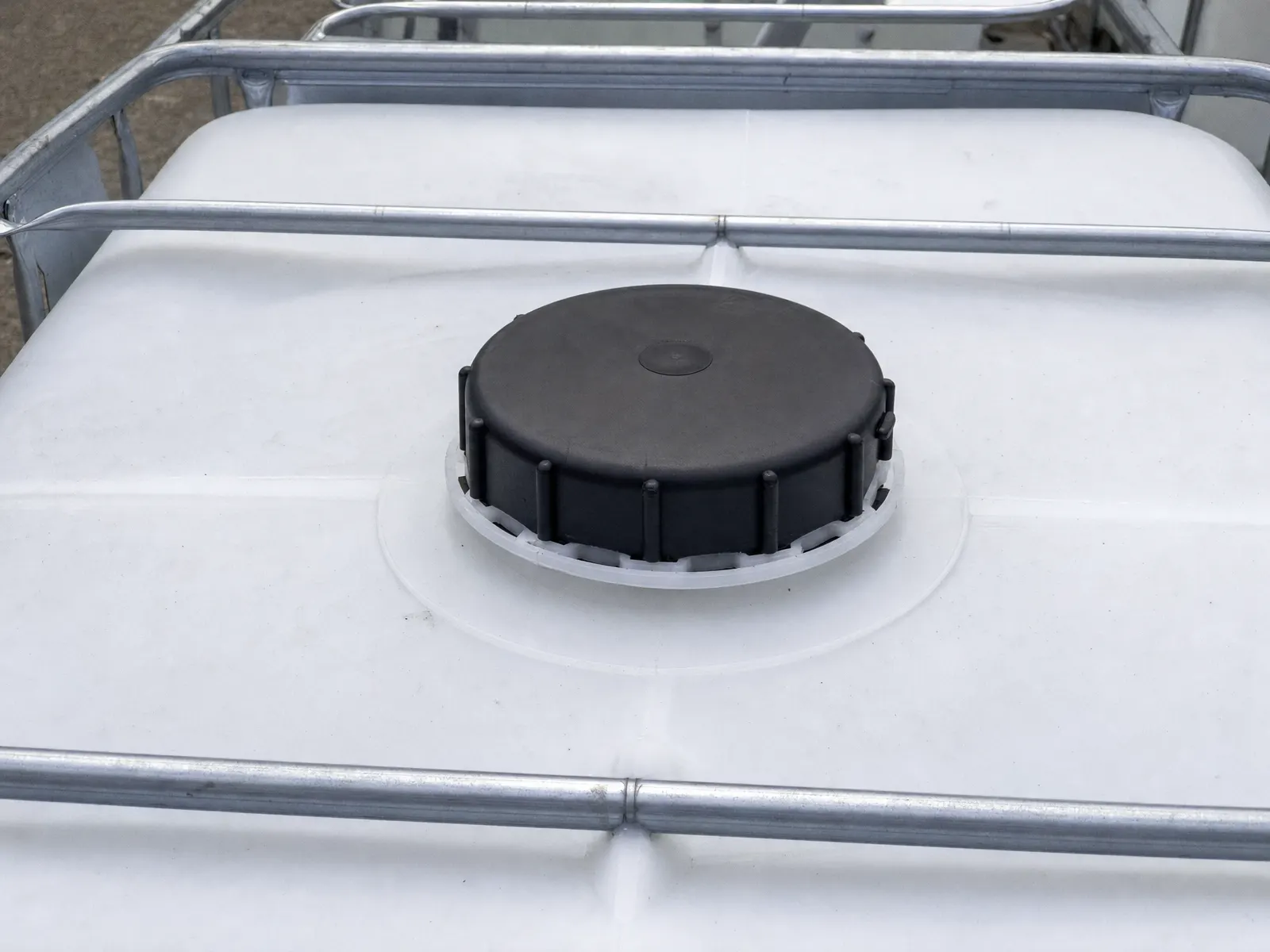
Pharmaceutical plants need containers whose history is known from the first fill: new totes with first-use bottles for excipients, water and non-flammable liquids, and stainless IBCs for solvents and anything cleaned and reused between batches.
What goes in the totes
Process and purified water, excipient solutions such as glycerin, sorbitol and propylene glycol, buffers, cleaning agents, and solvents including ethanol and isopropanol. Many plants also ship intermediates between sites.
The tote and the rule
For incoming QA the key is a known history and known materials: a new bottle, the resin named, food-contact gaskets where the product will be ingested, and a sealed cap. Ethanol and isopropanol are Class I flammable liquids, so plastic and composite totes should not hold them; use a stainless IBC (IBCTanks.com on NFPA guidance).
Where the industry is
Pharmaceutical and medicine manufacturing employed 350,886 people in 2025: California 42,575, New Jersey 30,062, North Carolina 26,998, New York 25,087, Illinois 24,257 (BLS QCEW 2025). Lake County, Illinois (16,883) and Marion County, Indiana (16,292) led the counties, then Montgomery County, Pennsylvania (11,878) and Suffolk County, New York (10,760).
What to ask for on the quote
The bottle maker's resin statement, the gasket materials, the tote's date of manufacture and lot, and delivery with the fill cap's tamper band intact. Some plants also want totes delivered shrink-wrapped or bagged. Say what your incoming inspection checks and we'll quote totes that can pass it, with the paperwork the maker provides.
Totes we would quote
-
Illustrative image, generated. Not a photograph of our stock or deliveries. Food-grade new IBC totes
First-use, food-contact bottle with the resin named: for excipients and water.
- Bottle resin
- 21 CFR 177.1520
- Prior contents
- None
- Gaskets
- EPDM or Viton
- Sizes
- 275, 330 gal
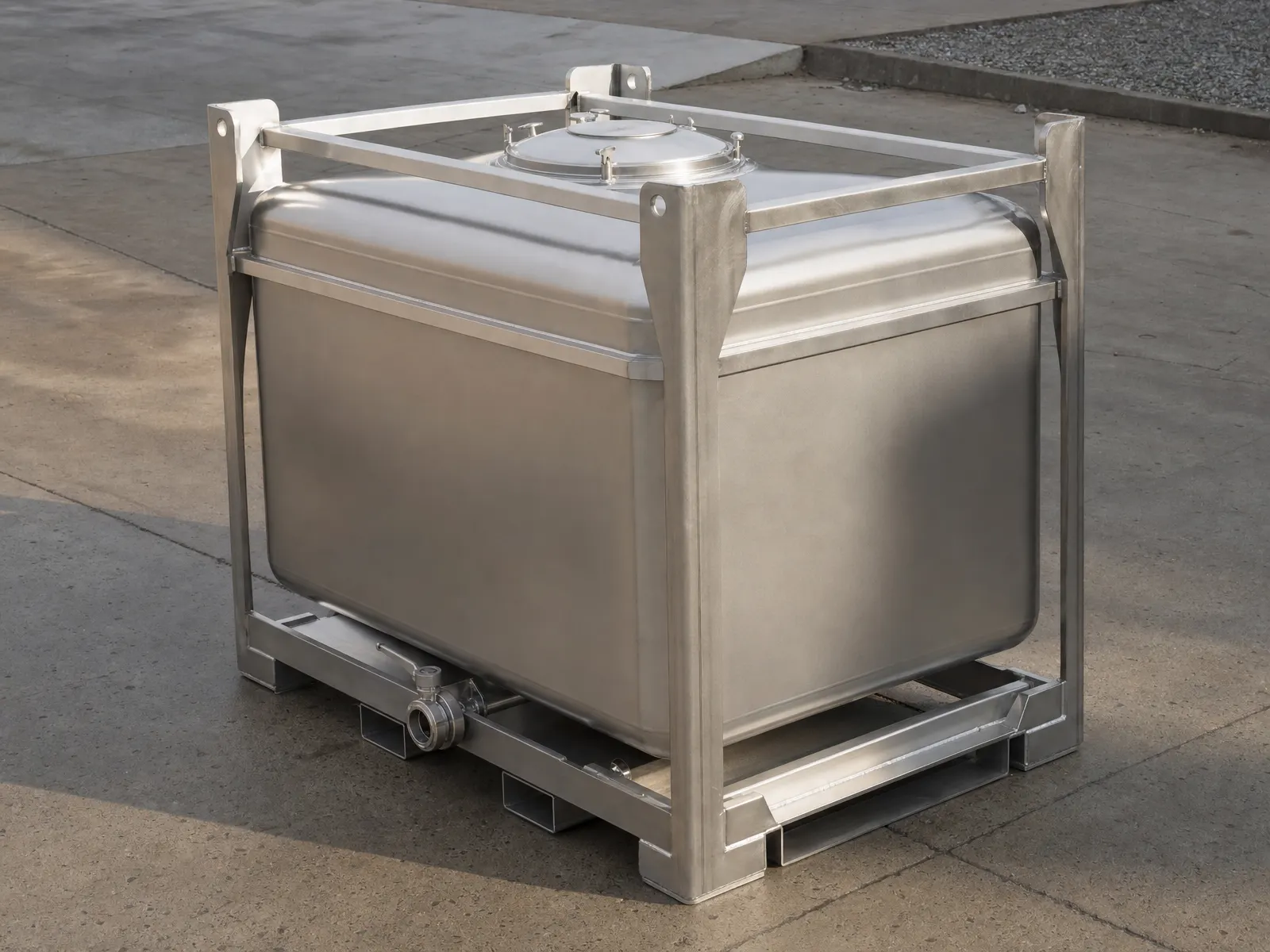
Illustrative image, generated. Not a photograph of our stock or deliveries. Stainless steel IBC totes
For ethanol, isopropanol and other flammable solvents, and for reuse between batches.
- Steel
- 304, 10 gauge
- Finish
- 2B
- UN code
- 31A
- Sizes
- 350, 550, 793 gal
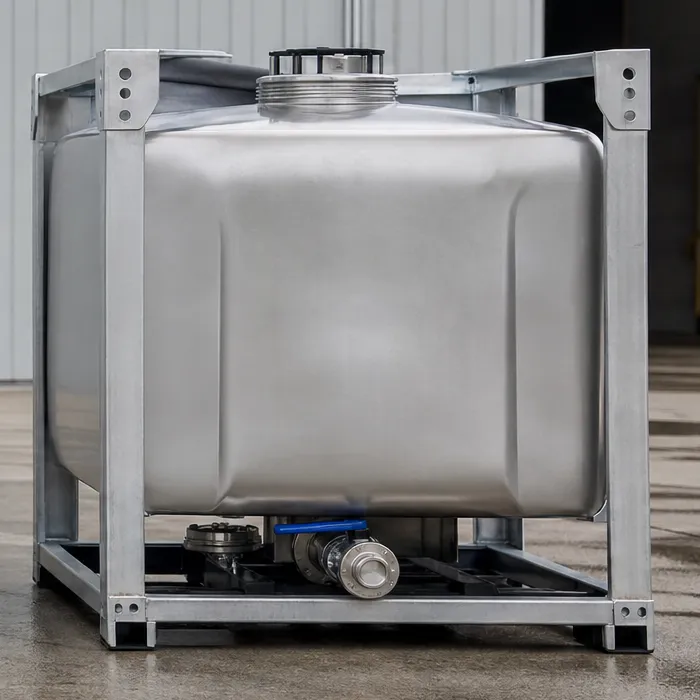
Illustrative image, generated. Not a photograph of our stock or deliveries. 350 gallon stainless steel IBC
The common stainless size for solvents held near the process.
- Capacity
- 350 gal / about 1,325 L
- Tare
- about 475 lb
- Max gross
- 6,030 lb
- UN code
- 31A
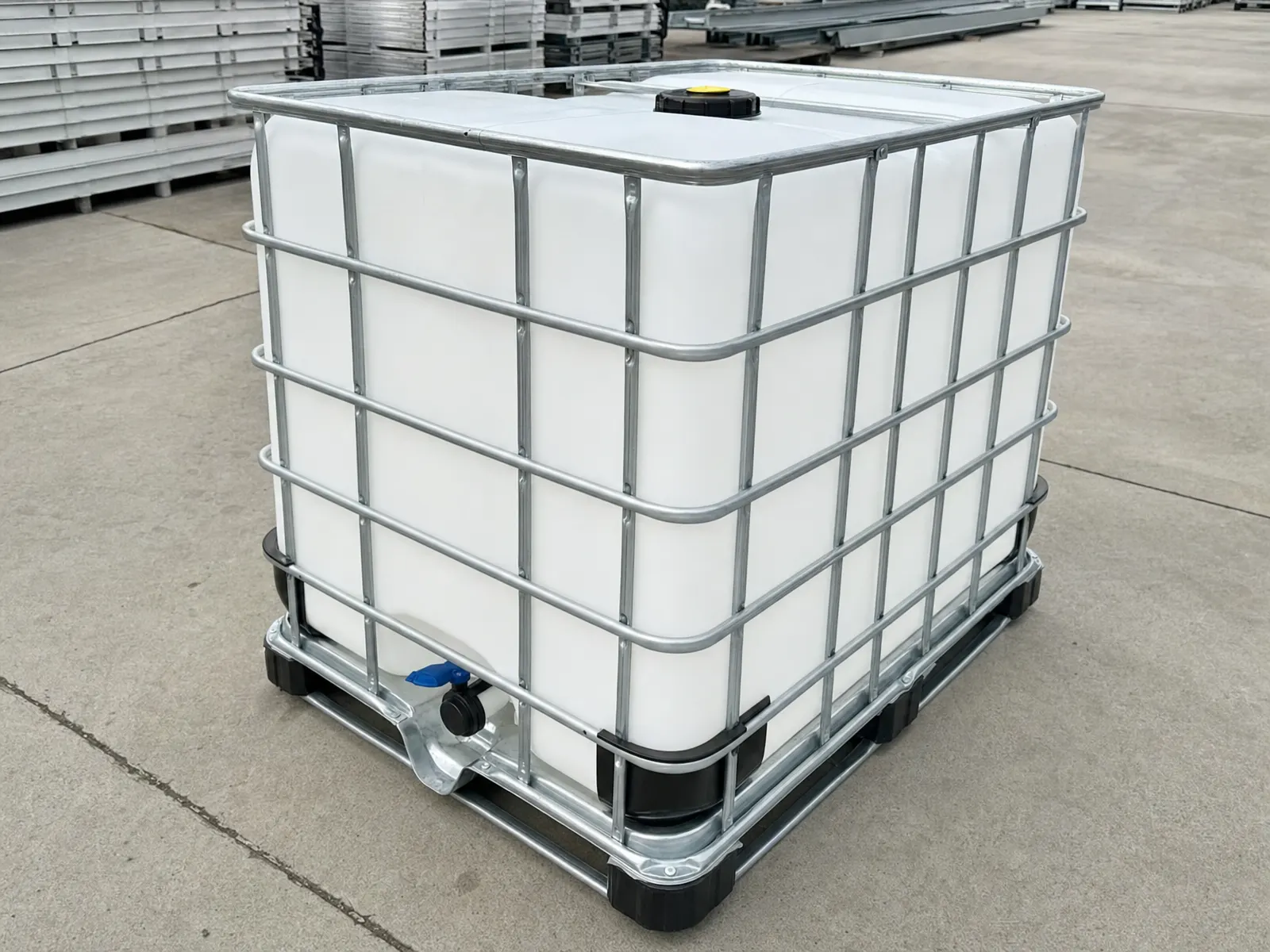
Illustrative image, generated. Not a photograph of our stock or deliveries. New 275 gallon IBC tote
The size most dispensing stations and containment pallets fit.
- Capacity
- 275 gal / 1,040 L
- Footprint
- 48 x 40 in
- Height
- about 46 in
- UN code
- 31HA1/Y
Questions from pharmaceutical buyers
- What should incoming QA check on a new tote?
- The plate and its date, an intact cap and valve, a clean bottle with no residue or odour, and the maker’s lot or date recorded for traceability against your receiving records. Reject any tote whose seal is broken before it is opened on your dock.
- Do you supply lot numbers for each tote?
- Ask for the paperwork you need on the quote, such as resin and gasket statements and the bottle’s manufacture date; we will say what the maker supplies.
- Can ethanol go in a composite tote?
- No. Ethanol is a Class I flammable liquid; plastic and composite IBCs should not hold it. Use a stainless IBC.
- What paperwork comes with a new tote?
- The maker’s data sheet and, for food-contact bottles, its resin statement. Ask for anything else your QA needs and we’ll say what the maker can provide.
- Are new totes sterile?
- No. A new bottle is clean and unused but not sterile. Sterile service needs a container and process designed for it.
Also read: Flammable liquids, Food grade or not, Stainless or carbon steel, Chemical manufacturing. All industries.
Quote totes for pharmaceutical
Give the product, whether it is flammable, what your incoming QA checks, the fittings, how many and the site ZIP.