New food-contact totes for food processing
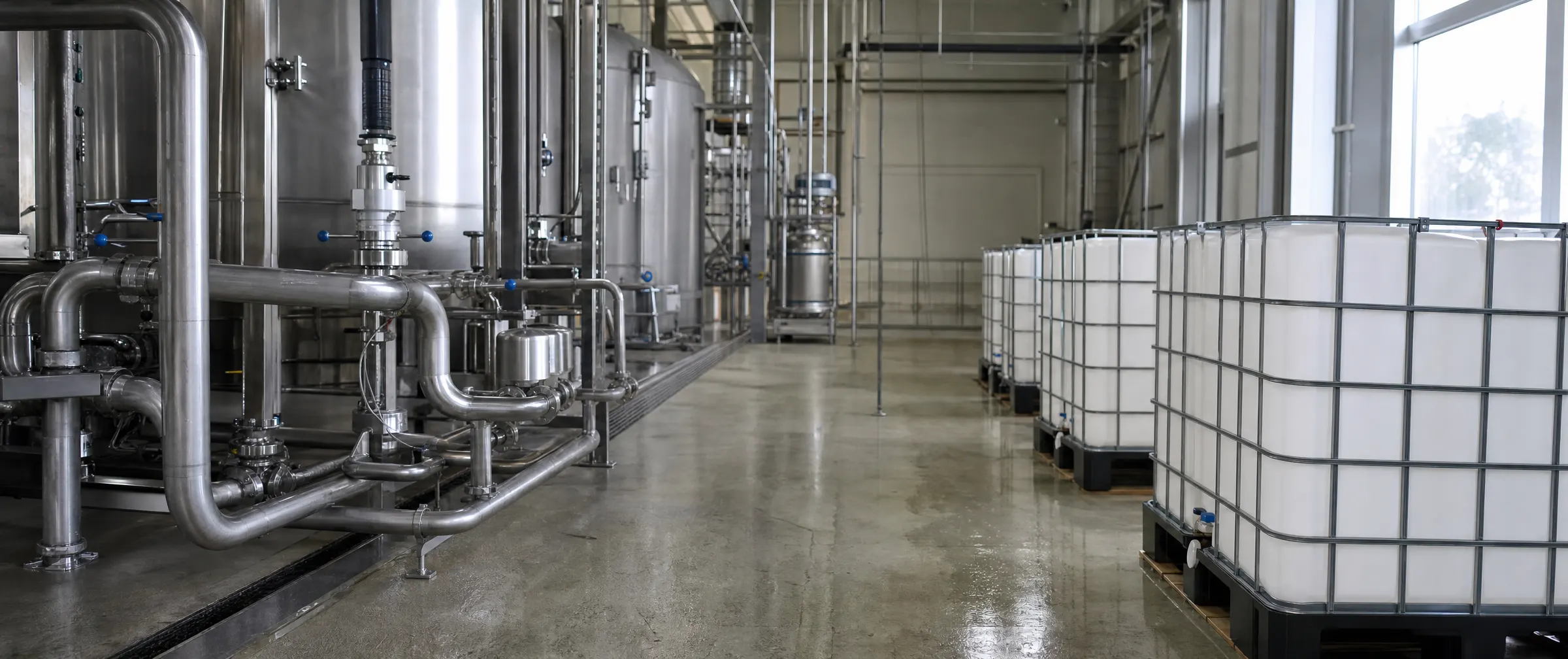
Food plants need a tote whose bottle and gaskets are cleared for food contact and that has never held anything, so their QA team can approve it from one statement. A new food-contact tote is that container; a used one needs a documented food history that is hard to prove.
What goes in the totes
Liquid sweeteners and syrups, vegetable oils and shortenings, vinegar, juice and fruit concentrates, liquid eggs and dairy ingredients, flavours and colours, brines, and process water. Food plants also buy totes of sanitation chemicals, which are a different specification.
The tote and the rule
The bottle resin has to be cleared for food contact. For polyethylene that is 21 CFR 177.1520. The cap and valve gaskets need food-contact compounds too. For the plant's cleaning chemicals, which are often corrosive, the rule is the hazmat one: UN-rated 31HA1/Y. Keep the two tote stocks apart so one is never refilled as the other.
Where the industry is
Food manufacturing employed 1,775,008 people in 42,763 establishments in 2025. California (166,660), Texas (112,088), Illinois (98,300), Pennsylvania (82,538) and Wisconsin (81,993) led. As a share of jobs it is heaviest in Nebraska (4.9%), Arkansas (4.7%) and Iowa (4.6%), against 1.33% nationally (BLS QCEW 2025).
What a food plant’s QA usually asks for
The bottle maker's food-contact statement naming the resin and the rule. The gasket materials. The maximum fill temperature for the bottle, since HDPE softens as it warms. Totes that arrive with the fill cap's tamper band and the valve's dust cap intact. Ask for these on the quote request and we'll send what the maker provides before you order. A product filled hot, or one that has to be cleaned in place between batches, may be better in a stainless IBC.
Totes we would quote
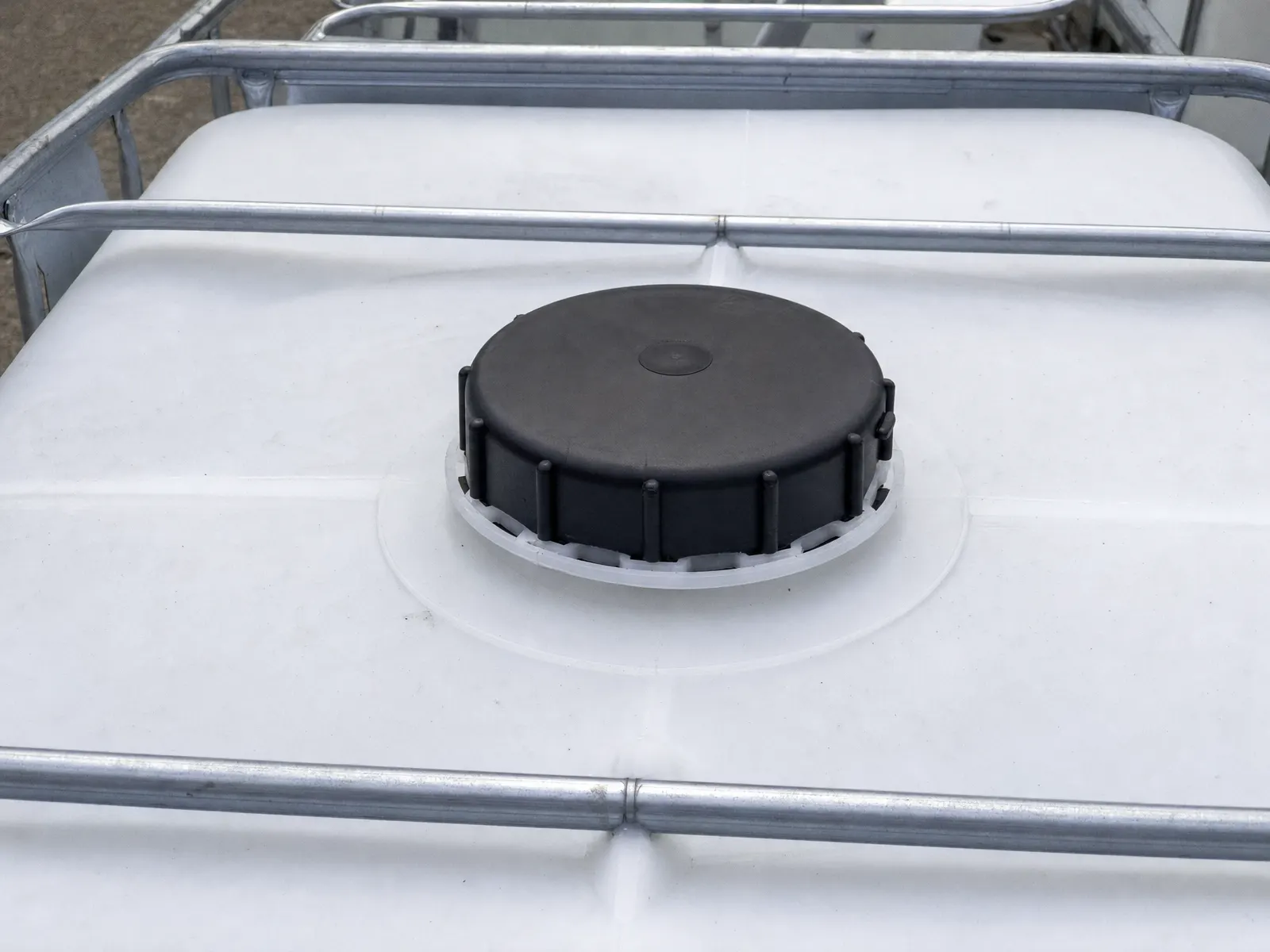
Illustrative image, generated. Not a photograph of our stock or deliveries. Food-grade new IBC totes
Food-contact bottle, food-contact gaskets, no history: the tote for ingredients and finished product.
- Bottle resin
- 21 CFR 177.1520
- Prior contents
- None
- Gaskets
- EPDM or Viton
- Sizes
- 275, 330 gal
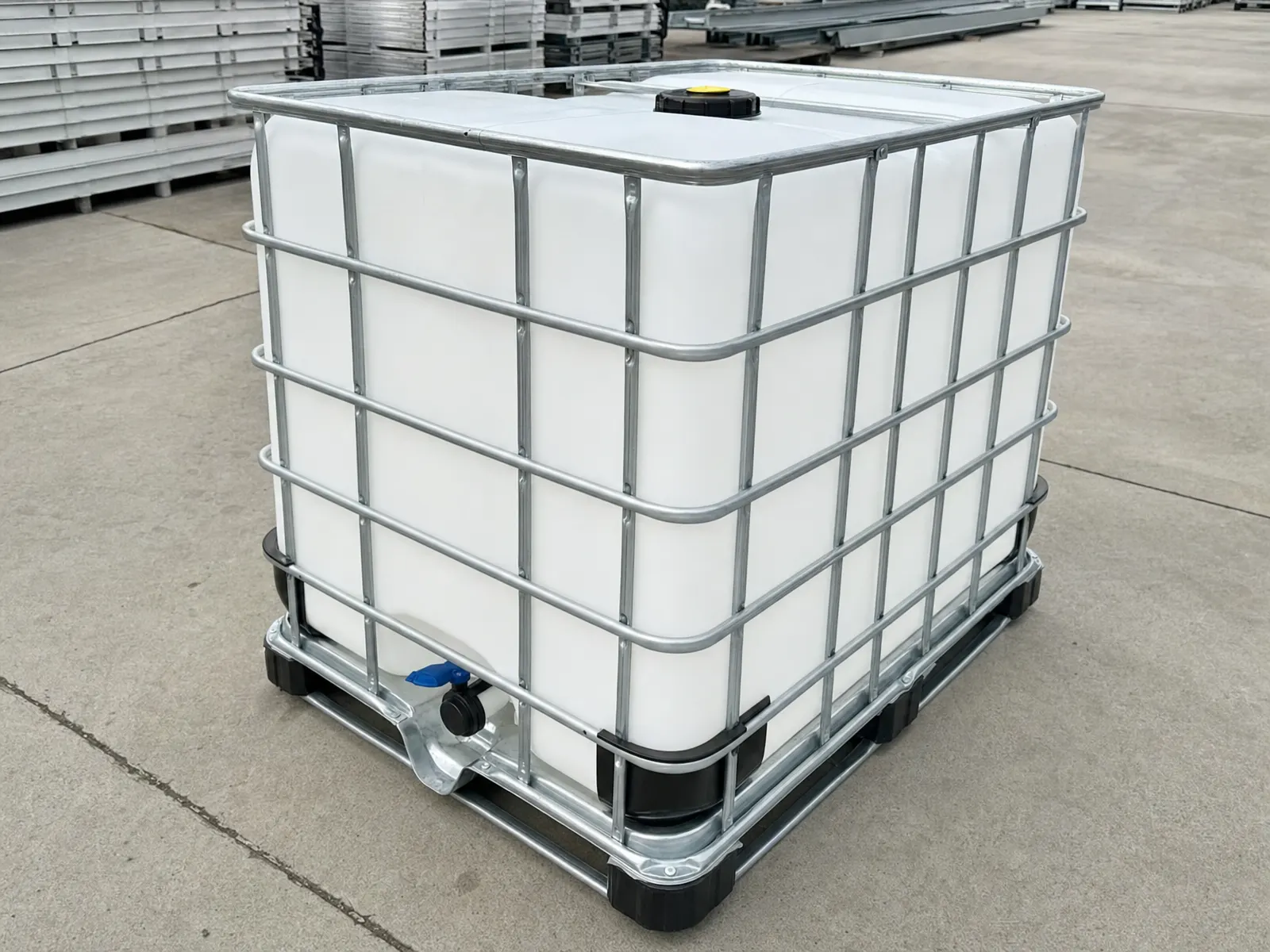
Illustrative image, generated. Not a photograph of our stock or deliveries. New 275 gallon IBC tote
The common size for ingredients delivered by the tote and drawn down on the line.
- Capacity
- 275 gal / 1,040 L
- Footprint
- 48 x 40 in
- Height
- about 46 in
- UN code
- 31HA1/Y
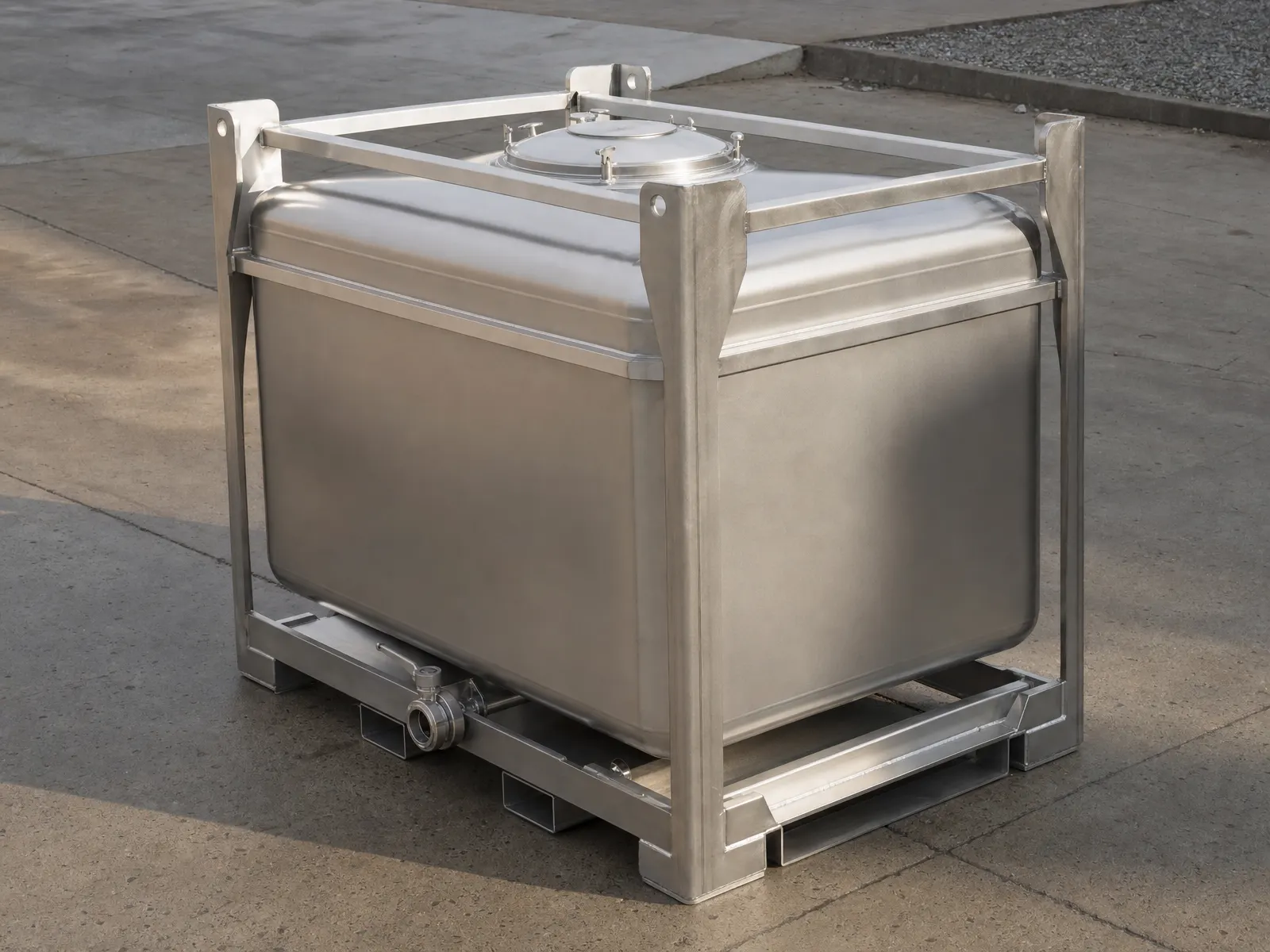
Illustrative image, generated. Not a photograph of our stock or deliveries. Stainless steel IBC totes
For hot fills and products moved between process steps and cleaned in place.
- Steel
- 304, 10 gauge
- Finish
- 2B
- UN code
- 31A
- Sizes
- 350, 550, 793 gal
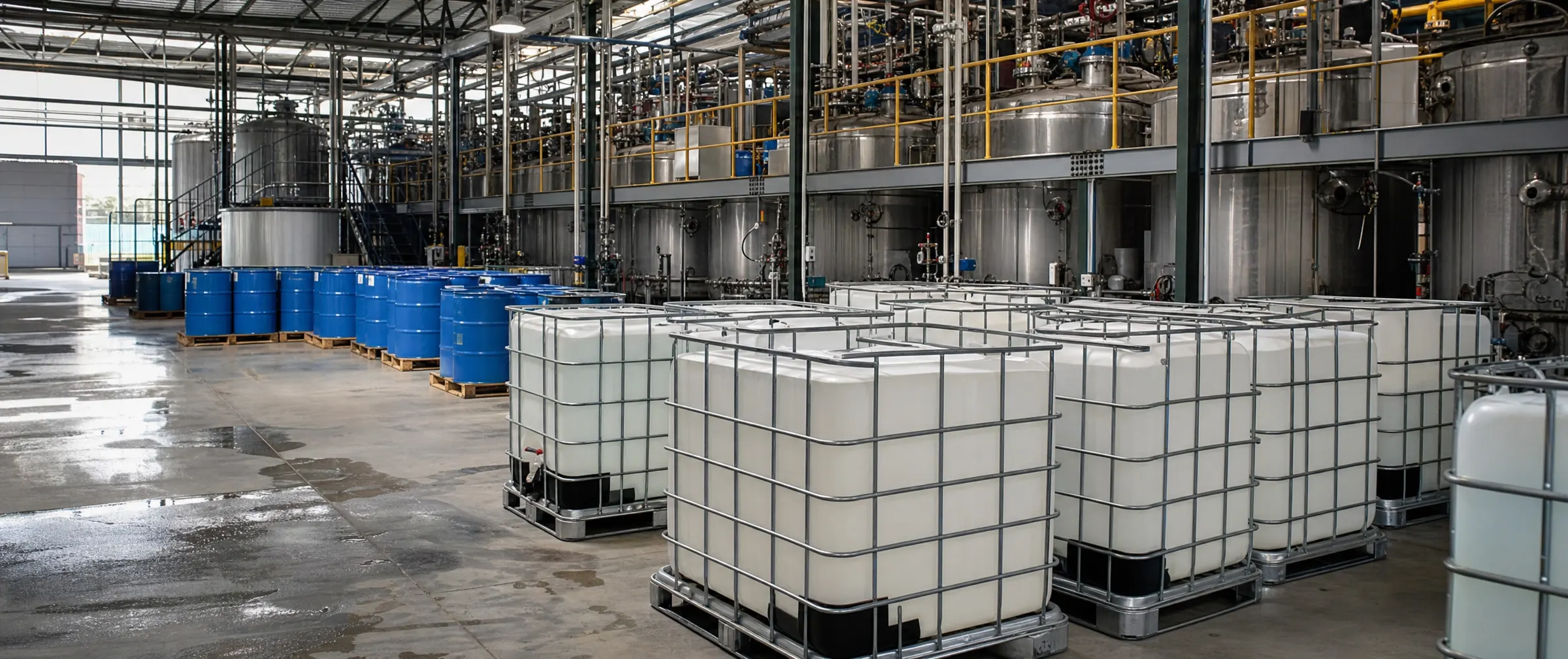
Illustrative image, generated. Not a photograph of our stock or deliveries. UN-rated chemical totes
For the plant’s sanitation chemicals, kept apart from the food totes.
- UN code
- 31HA1/Y
- Packing groups
- II and III
- Specific gravity
- 1.6 or 1.9
- Retest
- every 2.5 years
Questions from food processing buyers
- Is a new tote automatically food grade?
- No. The bottle must be moulded from a food-contact resin and the gaskets must be food-contact compounds. Ask for food contact and we quote it with the maker’s statement.
- Can we refill our own food totes?
- Many plants refill with the same product after cleaning. How often is your food safety plan’s decision.
- What fill temperature can a tote take?
- It depends on the bottle; the maker gives a limit. Tell us your fill temperature and we quote a tote that takes it, or a stainless IBC.
Also read: Food grade or not, Caps, lids and vents, Beverages, Dairy. All industries.
Quote totes for food processing
Give the product, its fill temperature, the gasket material your HACCP plan names, the valve and outlet, how many and the delivery ZIP.