New totes for dairy processors
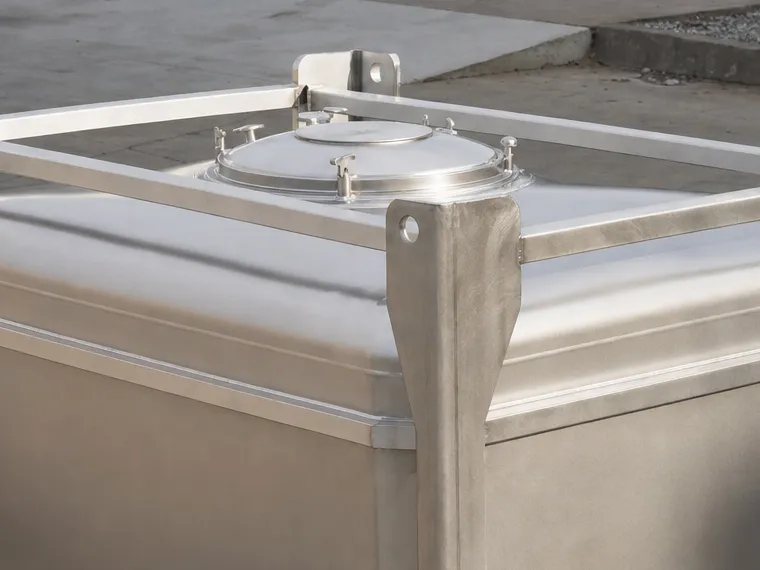
Dairy plants buy two kinds of tote: food-contact totes and stainless IBCs for the liquid ingredients and dairy streams they handle, and UN-rated totes for the caustic and acid cleaners their clean-in-place systems run on. The two have to stay apart.
What goes in the totes
Ingredients such as sweeteners, flavours and stabilizers in solution; cream, whey and other dairy streams moved between plants or held between steps; and the caustic, acid and sanitizer solutions used to clean lines, tanks and evaporators.
The tote and the rule
Ingredients and dairy streams need a food-contact bottle under 21 CFR 177.1520 or a stainless IBC, food-contact gaskets and no history. Perishable streams usually go in stainless, which can be cleaned and inspected inside. The cleaners are often corrosive. In transport they need UN-rated 31HA1/Y totes rated for their density; caustic solutions are often well above a specific gravity of 1.0.
Where the industry is
Dairy product manufacturing employed 168,222 people in 2025. Wisconsin led with 28,840, then California 18,374, New York 11,603, Ohio 8,963 and Texas 7,529 (BLS QCEW 2025). It is 1.1% of Wisconsin's private jobs and 0.8% of Vermont's, against 0.13% nationally. Sheboygan County, Wisconsin had 3,238 dairy jobs and Tulare County, California 2,916.
Keeping the cleaners away from the product
The safest plants make the two tote stocks look different: food totes with natural bottles and a food label, chemical totes with their hazmat labels and a different valve outlet, so a chemical hose can't connect to a food tote by mistake. A new food tote, never filled, starts that separation cleanly. See food grade or not.
Totes we would quote
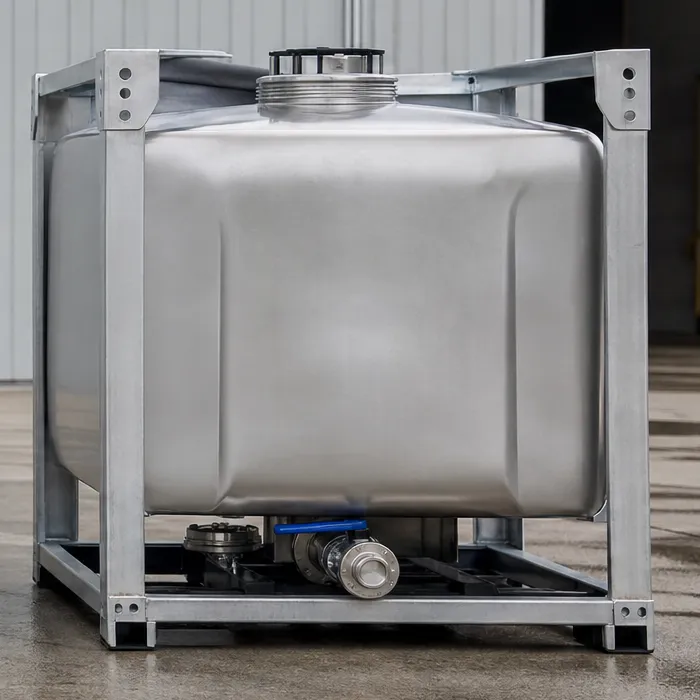
Illustrative image, generated. Not a photograph of our stock or deliveries. 350 gallon stainless steel IBC
For dairy streams held between steps and cleaned in place.
- Capacity
- 350 gal / about 1,325 L
- Tare
- about 475 lb
- Max gross
- 6,030 lb
- UN code
- 31A
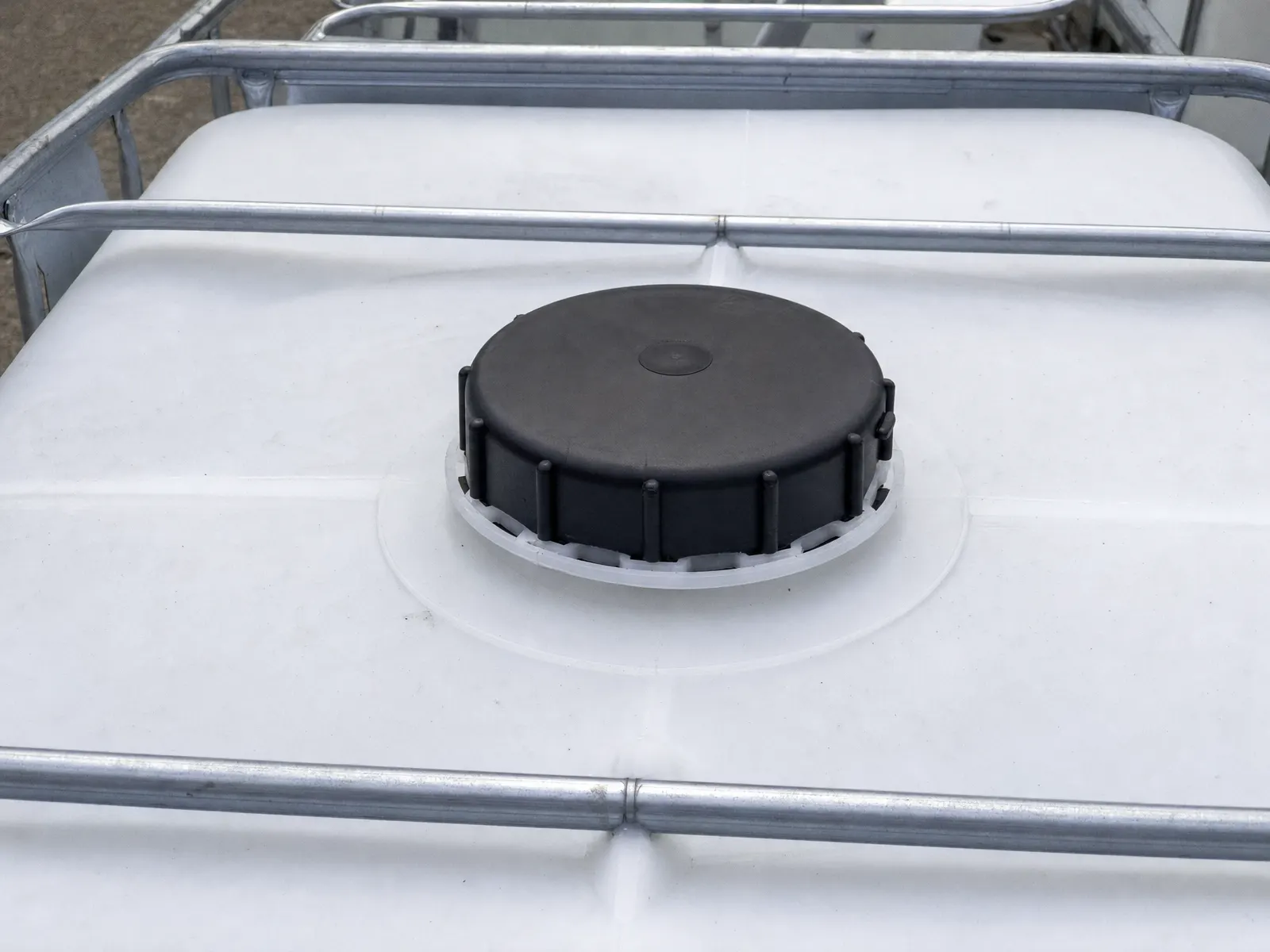
Illustrative image, generated. Not a photograph of our stock or deliveries. Food-grade new IBC totes
For liquid ingredients received by the tote.
- Bottle resin
- 21 CFR 177.1520
- Prior contents
- None
- Gaskets
- EPDM or Viton
- Sizes
- 275, 330 gal
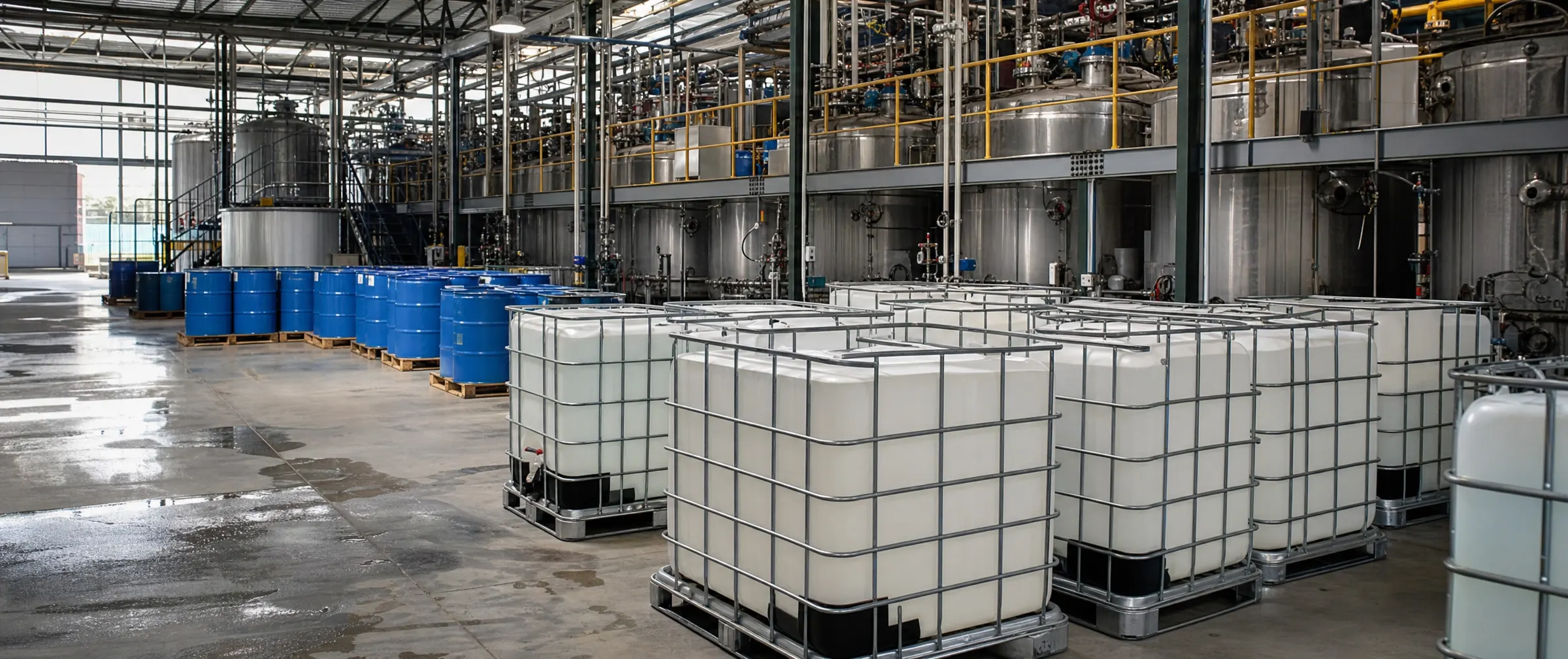
Illustrative image, generated. Not a photograph of our stock or deliveries. UN-rated chemical totes
For the CIP caustic and acid, rated for the solution’s specific gravity.
- UN code
- 31HA1/Y
- Packing groups
- II and III
- Specific gravity
- 1.6 or 1.9
- Retest
- every 2.5 years
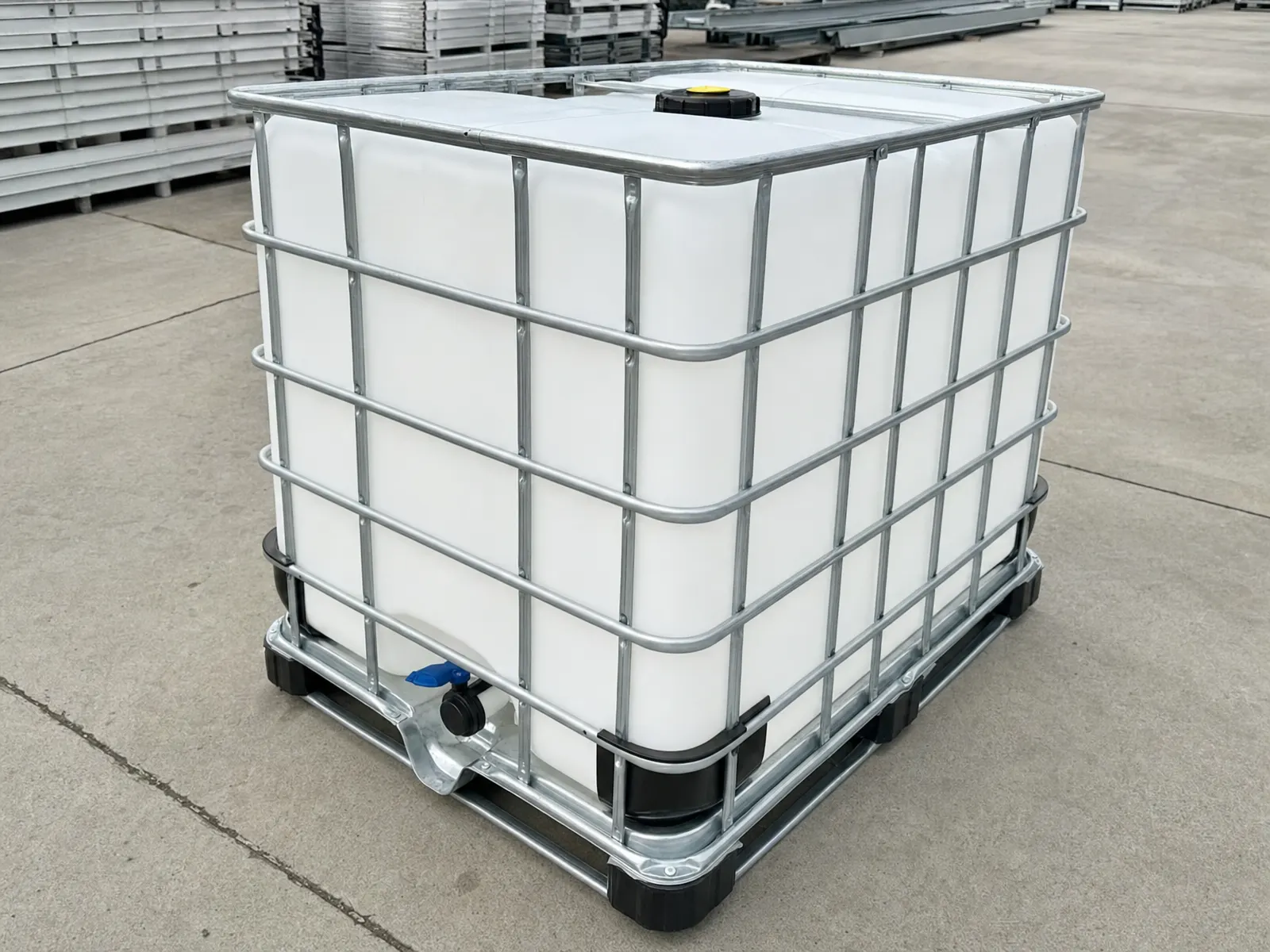
Illustrative image, generated. Not a photograph of our stock or deliveries. New 275 gallon IBC tote
The size most chemical supply carts and drip trays fit.
- Capacity
- 275 gal / 1,040 L
- Footprint
- 48 x 40 in
- Height
- about 46 in
- UN code
- 31HA1/Y
Questions from dairy buyers
- Can a tote that held a cleaner go back to ingredients?
- No. Once a tote has held a cleaning chemical it is not a food-contact container again. Keep separate, labelled totes for cleaners and for anything that goes into product.
- Do dairy plants need stainless for everything?
- No. Stainless suits streams held and cleaned between uses; ingredients that arrive once and leave empty, such as flavour bases, can come in a new food-contact composite tote.
- Which rating for a caustic CIP solution?
- Check its specific gravity on the SDS. Strong caustic solutions are dense; Y1.9 covers up to 1.9.
- Can cream go in a composite tote?
- A food-contact composite tote can carry a dairy ingredient; perishable streams that must be cleaned between fills are usually kept in stainless.
- How do we stop a chemical tote being used for food?
- Keep separate stocks with different labels and valve outlets, and never refill a chemical tote with food.
Also read: Food grade or not, Y1.6 or Y1.9, Food processing, Wisconsin. All industries.
Quote totes for dairy
Tell us whether the totes are for ingredients, dairy streams or cleaning chemicals, the product, the fittings, how many and the plant ZIP.